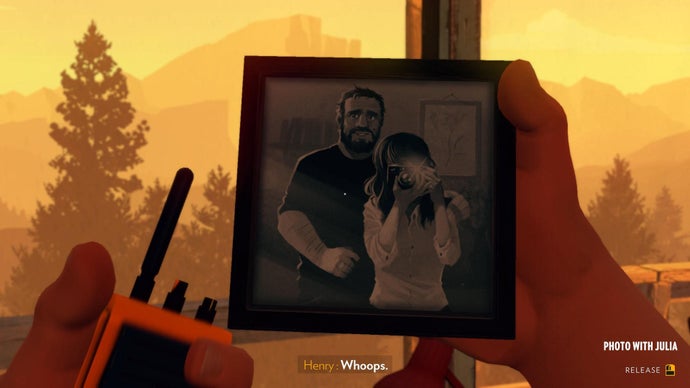
When Campo Santo was putting the finishing touches on Firewatch, narrative designer Chris Remo found himself dreaming about what could have been. The developer felt that with fresh perspective and renewed effort, they could push the game’s core concepts to new heights.
Following Firewatch’s launch, Remo became an advocate for the studio’s approach to game design. Rather than emphasizing player choice and branching paths, Campo Santo had centered their work around reactive storytelling—allowing the narrative to respond naturally to player actions rather than presenting predetermined story branches.
“I was hoping this model would catch on and be pushed forward and done in a more ambitious way than we did,” Remo explained, expressing his belief that Firewatch could establish the foundation for an entirely new category of games built around reactive narratives.
Despite Remo’s optimism, the innovative storytelling approach didn’t inspire widespread adoption among other developers. A decade has passed since Firewatch’s release, and the reactive narrative style remains largely unexplored by the gaming industry. In reflecting on this absence, Remo has begun to understand the reasons why his vision for a thriving subgenre never fully materialized, offering insights into why studios opted not to follow in Campo Santo’s footsteps.